Mark Fuhrman died last week at 74. Most people remember him for finding the bloody glove at OJ Simpson's estate. What they should remember him for is something far more instructive — what happened to the entire prosecution's case the moment his credibility collapsed on the witness stand.
That case found me in high school. The Bronco chase interrupted Game 5 of the Rockets-Knicks Finals. The trial ran nearly ten months. And somewhere between Johnnie Cochran's closing argument and the not-guilty verdict, I decided criminal defense was where I wanted to spend my career.
Thirty years later, I want to explain what Fuhrman actually teaches — not about OJ, but about how trials really work. Because the same dynamics play out in courtrooms across Texas and federal courts nationwide every single day.
The Prosecution Had an Airtight Case — Until It Didn't
In 1995, the physical evidence against OJ Simpson was significant. Blood at the crime scene matching his DNA. A bloody glove found at his estate. A history of domestic violence. The government walked in with what looked like a winning hand.
Then came Mark Fuhrman.
Fuhrman was the LAPD detective who found the glove. He testified under oath that he had not used a racial slur in the past ten years. The defense already had reason to believe otherwise — and then they produced the tapes. Audio recordings of Fuhrman using that exact word, repeatedly, over years.
When Fuhrman was recalled to the stand, he invoked his Fifth Amendment right against self-incrimination rather than answer whether he had fabricated or planted evidence.
A detective. Taking the Fifth. In a murder trial. About evidence he personally collected.
The case didn't just weaken — it fractured at the foundation. Because when a jury decides a key witness cannot be trusted, they don't surgically remove that witness's contributions. They apply that doubt to everything. Every exhibit he touched. Every scene he processed. Every conclusion built on his work.
Would OJ Be Acquitted Today?
Here's my honest take — and I say this as someone who has spent his entire career defending people the government has decided to prosecute: I believe OJ still walks in 2026.
The forensic science has advanced dramatically. Modern DNA analysis is more precise, digital evidence is more comprehensive, and chain-of-custody protocols are tighter. All of that works against any defendant claiming contamination or error.
But the social fault lines underneath that case haven't healed. A 2026 Los Angeles jury hearing the Fuhrman tapes — in a post-2020 climate, with LAPD's institutional credibility in its current state — would hand the defense the same narrative. Planted evidence. Rogue cop. Reasonable doubt. Better science doesn't automatically beat broken trust between a community and its police department. It never has.
The jury system responds to more than evidence. It responds to belief. And belief is built — or destroyed — by the credibility of the people presenting that evidence.
What This Means for Real Cases — Your Case
The OJ trial wasn't an anomaly. The underlying dynamic happens in every serious criminal case. The government's case is only as strong as its weakest witness. And government witnesses — law enforcement, cooperating co-defendants, forensic analysts — carry credibility vulnerabilities that skilled defense attorneys are trained to find and exploit.
In federal cases, prosecutors are required under Brady v. Maryland and Giglio v. United States to disclose information that could undermine the credibility of their witnesses. Giglio specifically covers promises made to cooperating witnesses, prior misconduct, and inconsistent statements. These disclosures don't always come voluntarily. You need counsel who knows how to demand them, recognize gaps, and force the issue.
In state cases, the same principles apply — though the rules and enforcement vary. Texas courts have wrestled with law enforcement credibility issues repeatedly, and the defense bar has developed effective strategies for exposing bias, misconduct, and inconsistency.
Three Lessons Fuhrman Left the Defense Bar
1. Investigate the investigators. Before trial, a thorough defense attorney doesn't just analyze the evidence — they analyze the people who collected it. Disciplinary records. Prior testimony. Civil suits. Internal affairs complaints. Anything that speaks to a pattern of misconduct, dishonesty, or bias is fair game for impeachment.
2. The lie doesn't have to be about the case. Fuhrman didn't lie about planting the glove — he lied about a racial slur. But that lie was enough to make the jury question everything else. When a witness lies about anything under oath, their entire testimony is in play. Jurors understand this instinctively. A good defense attorney makes sure they don't forget it.
3. Reasonable doubt is built brick by brick. Cochran didn't need to prove OJ was innocent. He needed to build enough doubt that no reasonable juror could say "I'm certain." Witness credibility attacks are one of the most effective tools for that construction. Each credibility hit adds another brick to the wall between the prosecution's theory and a guilty verdict.
The Lesson That Still Stands
Mark Fuhrman didn't lose that case because the prosecution had bad evidence. They lost it because a man in a position of authority, trusted by the system to tell the truth, chose not to. And one defense team was prepared enough to prove it.
That's the lesson for every defendant, every defense attorney, and every prosecutor who forgets that their case runs through human beings. Physical evidence doesn't lie. But the people who collect, interpret, and present it sometimes do.
Find it. Prove it. Let the jury decide what to do with it.
That's still the job. That's still the lesson.
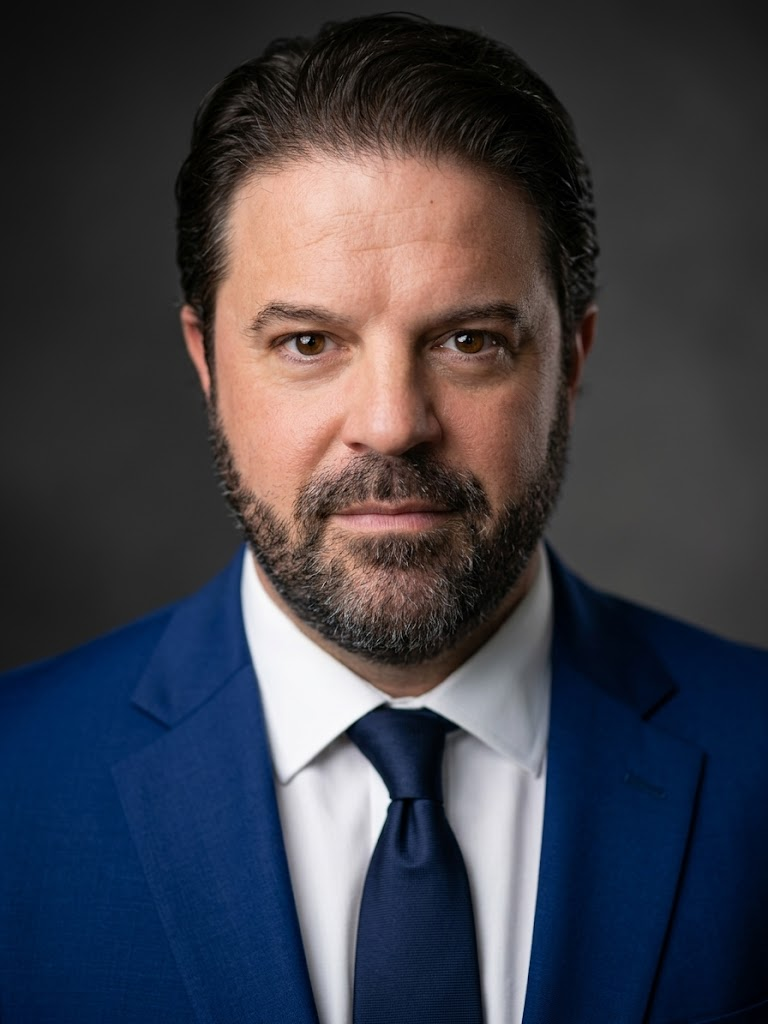
Jimmy Ardoin has 20+ years of trial experience in state and federal courts across Texas and nationwide. He has tried 50+ jury cases, achieved a $10 million verdict, and reversed a 60-year federal sentence. His federal criminal defense practice has included cases from Enron to Stanford Financial.